
via Integrated PHarmacogenomics and Epigenetics Research.
DEcoding Cancer resistance
DECIPHER (short for DEcoding Cancer resistance via Integrated PHarmacogenomics and Epigenetics Research) is a joint research laboratory (LabCom) that brings together two complementary partners:
The academic laboratory TAGC – Theories and Approaches of Genomic Complexity, a joint research unit (UMR 1090) affiliated with the French National Institute of Health and Medical Research (INSERM) and Aix-Marseille University (AMU);
The biopharmaceutical company Advanced BioDesign (ABD), specialized in the development of new targeted cancer therapies.
A Research and Innovation Initiative of Excellence
The DECIPHER LabCom is part of a broader strategy to promote academic research and facilitate its translation into therapeutic innovation, by strengthening synergies between the public and private sectors to benefit patients. This work received support from the french government under the France 2030 investment plan, as part of the Initiative d’Excellence d’Aix-Marseille Université – AMIDEX » AMX-24-LAB-01.


The objectives of the LabCom
The core mission of DECIPHER is to tackle one of the most pressing challenges in modern oncology: cancer cell resistance to treatment. The project places a particular emphasis on the crucial role of type 1 aldehyde dehydrogenases (ALDH1), enzymes deeply implicated in the mechanisms that enable tumor cells to adapt to chemotherapy.
A collaborative platform for translational research
By combining TAGC’s expertise in genetics, epigenetics, CRISPR/Cas9 functional screening, and bioinformatics with ABD’s know-how in pharmacology, drug development, and clinical trials, DECIPHER is developing a collaborative translational research platform.

Identifying Therapeutic Weak Points in Drug-Resistant Cancers
To identify new vulnerabilities in treatment-resistant cancers in order to design more effective and personalized therapies, especially for diseases with high unmet medical needs:
Overcoming cancer drug resistance – a short presentation of Advanced BioDesign
News
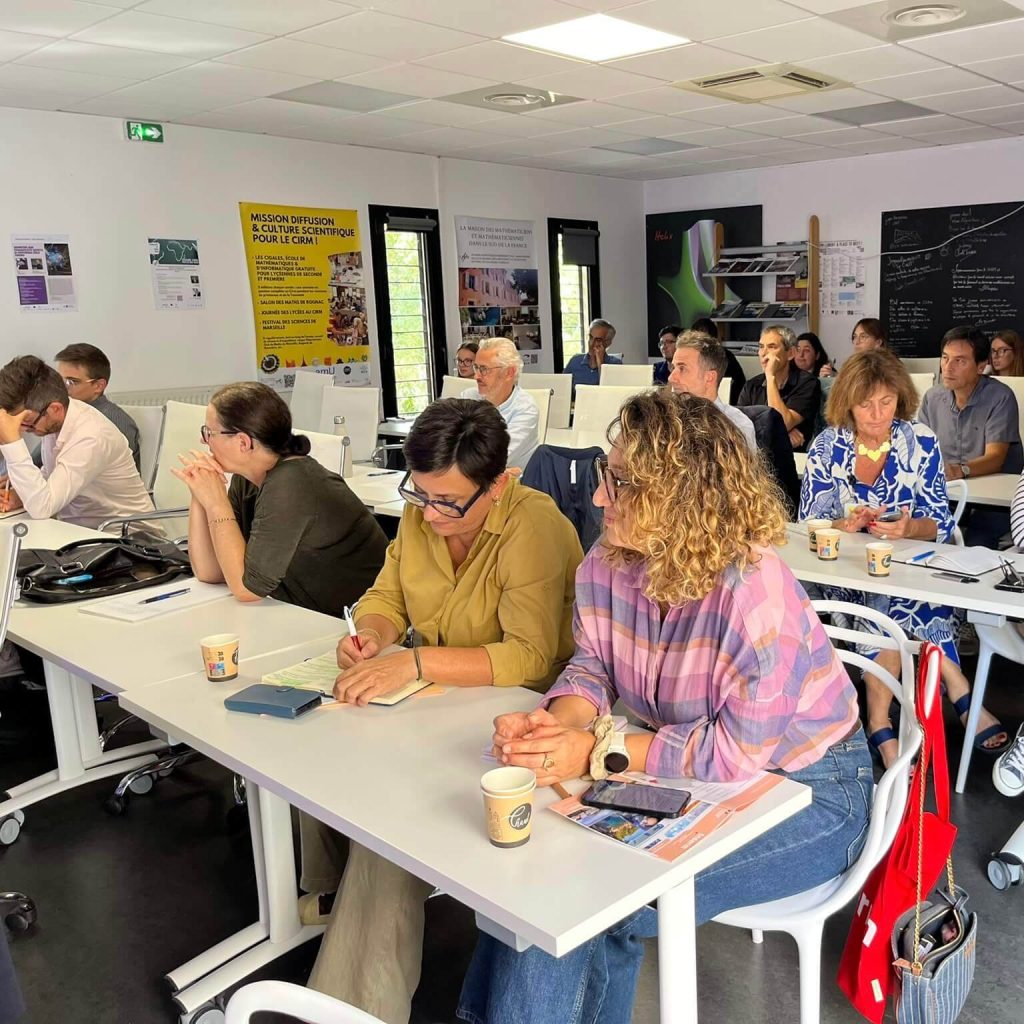
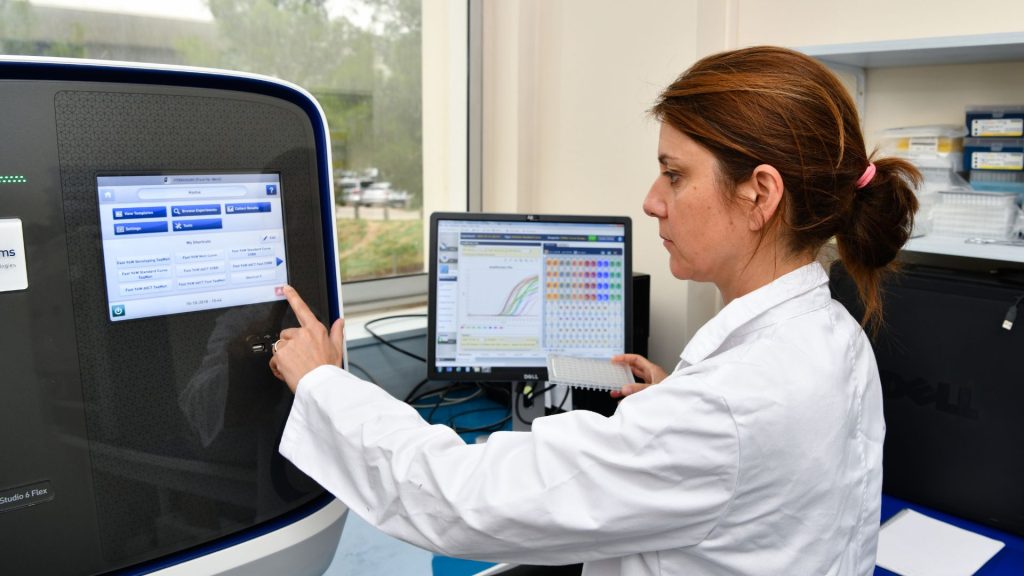

We Are DECIPHER!
We Are DECIPHER!
We Are DECIPHER!
We Are DECIPHER!
We Are DECIPHER!
We Are DECIPHER!

Salvatore Spicuglia is a group leader since 2011 at the TAGC, a multidisciplinary institute affiliated to the INSERM and Aix-Marseille University.
He is an expert in mammalian transcriptional regulation. His lab focuses on regulatory mechanisms at lymphoid-specific genes, as well as general aspect of epigenomic changes between normal and cancer cells. His lab recently implemented high-throughput reporter assays to quantitatively assess enhancer activity in mammals and used the method to address important questions regarding enhancer biology. Recent works in his lab has shed lights on a subset of gene promoters, termed Epromoters, which works as bona fide enhancers and regulates distal gene expression.
He is involved in several national (ANR, INCA, etc) and international projects (H2020, Ecos-Nord). As coordinator of the ITN Enhpathy, he is looking forward to the discovery of novel genetic and epigenetic mechanisms involved in the dysregulation of enhancers in diverse pathologies.

Mileidys Perez-Alea has been the Scientific Director at Advanced BioDesign (ABD) since 2018, leading strategic R&D initiatives at this clinical-stage biotech focused on exploiting cancer vulnerabilities in relapse-refractory tumors with high unmet medical need. Prior to joining ABD, she held research positions as Principal Investigator at Aston University (UK) and Vall d’Hebron Research Institute (Spain).
She is an expert in the cellular and molecular biology of cancer, including cancer stem cell biology, across both hematologic and solid malignancies. With over 25 years of experience in translational oncology, she has led multiple multidisciplinary research projects and received numerous international grants and awards, supporting collaborations across public institutions and private biotech companies in several countries.
Her team’s recent work has uncovered drug-adaptive regulatory mechanisms involving ALDH1 family members, along with the enzymatic and functional characterization of selective ALDH1 inhibitors as promising therapeutic candidates for aggressive forms of AML and breast cancer. She remains committed to the discovery and development of innovative therapeutic strategies.

Iris Manosalva holds a PhD in Cellular Biology and Genetics from Spain, as well as
Master's degrees from Peru and Chile. She has broad international research experience in molecular biology, cell biology, and genetics.
Currently, she is a Research Engineer at TAGC (Marseille, France), specializing in CRISPR-based screening and single-cell NGS to study gene regulation in cancer models, particularly T-ALL. Her expertise includes CRISPR library design, high-throughput cloning, lentiviral transduction, multiparametric cytometry, FACS sorting, RNA-seq, and bioinformatics in Unix environments.
Dr. Manosalva has previously worked at CIML (France), HalioDx (France), the Institute of Molecular Genetics (Czech Republic), Kyoto University (Japan), and CIB-CSIC (Spain).
She has led innovative projects, published 10 scientific articles (including three as first author and three as corresponding author), obtained competitive grants, and supervised students at all levels. Her international career across seven countries reflects her collaborative mindset and adaptability.
Master's degrees from Peru and Chile. She has broad international research experience in molecular biology, cell biology, and genetics.
Currently, she is a Research Engineer at TAGC (Marseille, France), specializing in CRISPR-based screening and single-cell NGS to study gene regulation in cancer models, particularly T-ALL. Her expertise includes CRISPR library design, high-throughput cloning, lentiviral transduction, multiparametric cytometry, FACS sorting, RNA-seq, and bioinformatics in Unix environments.
Dr. Manosalva has previously worked at CIML (France), HalioDx (France), the Institute of Molecular Genetics (Czech Republic), Kyoto University (Japan), and CIB-CSIC (Spain).
She has led innovative projects, published 10 scientific articles (including three as first author and three as corresponding author), obtained competitive grants, and supervised students at all levels. Her international career across seven countries reflects her collaborative mindset and adaptability.

Régis Costello is head of the Hematology & Cell Therapy Department (CHU La Conception, AP-HM), Member of the Comission Médicale d'Etablissement at La Conception Hospital, Co-leader of "THEMA" group (hematology), and associated researcher at the TAGC. His main research interests are: 1) development of new therapies for hematological malignancies; 2) Study of tumor escape from chemotherapy and immunotherapy; 3) Assessment and prediction of infectious risk in patients with hematological malignancies; 4) development of nanobodies and their diagnostic and therapeutic applications; 5) T CAR cells.
Interested in Collaborating with DECIPHER?
DECIPHER is a joint research platform aiming to accelerate innovation in cancer research by addressing treatment resistance through advanced genomics, pharmacology, and drug development.
Are you a researcher, clinician, or biotech company exploring new therapeutic strategies?
Partner with us or take advantage of our cutting-edge technologies and scientific expertise.
Learn more about collaboration opportunities or our services.


